

Most people with dry eyes start with a bottle of artificial tears from the drugstore. For mild symptoms, that may be all you need.
When the gritty, tired feeling keeps coming back, though, our dry eye center can help figure out what’s causing it. Treatment options range from punctal plugs to PRP eye drops, which are made from a small sample of your own blood. PRP eye drops can help relieve dry eye by delivering growth factors that calm irritation and help the surface of your eye repair itself, so your tears may stay stable longer between blinks.
What Dry Eye Feels Like Day to Day
Dry eye start with an imbalance in your tear film, the thin layer of moisture coating the front of your eyes. When that layer breaks down too quickly, the surface underneath feels exposed.
Symptoms often show up during long stretches of screen time. Focusing on a digital display lowers how often you blink, so your eyes dry out faster over a long workday or during a late-night scrolling session. Over time, you might notice blurry vision behind the wheel at night or trouble reading for more than a few minutes.
Common Signs to Watch For
Dry eye can show up in several different ways, so watch for any of these:
- A stinging feeling
- Grittiness, like there’s sand in your eye
- Redness
- Watery eyes
- Contact lenses that feel uncomfortable before the day is over
What Causes Dry Eye?
Plenty of things can disrupt your tear film. Age and hormone changes are common contributors, and some medications can reduce how many tears you make.
Blocked oil glands along the edge of your eyelids are another frequent cause. When those glands can’t release enough oil, your tears evaporate faster than they should.
Your surroundings matter as well. Wind and forced-air heating can trigger flare-ups, as can seasonal allergies.
What Are PRP Eye Drops?
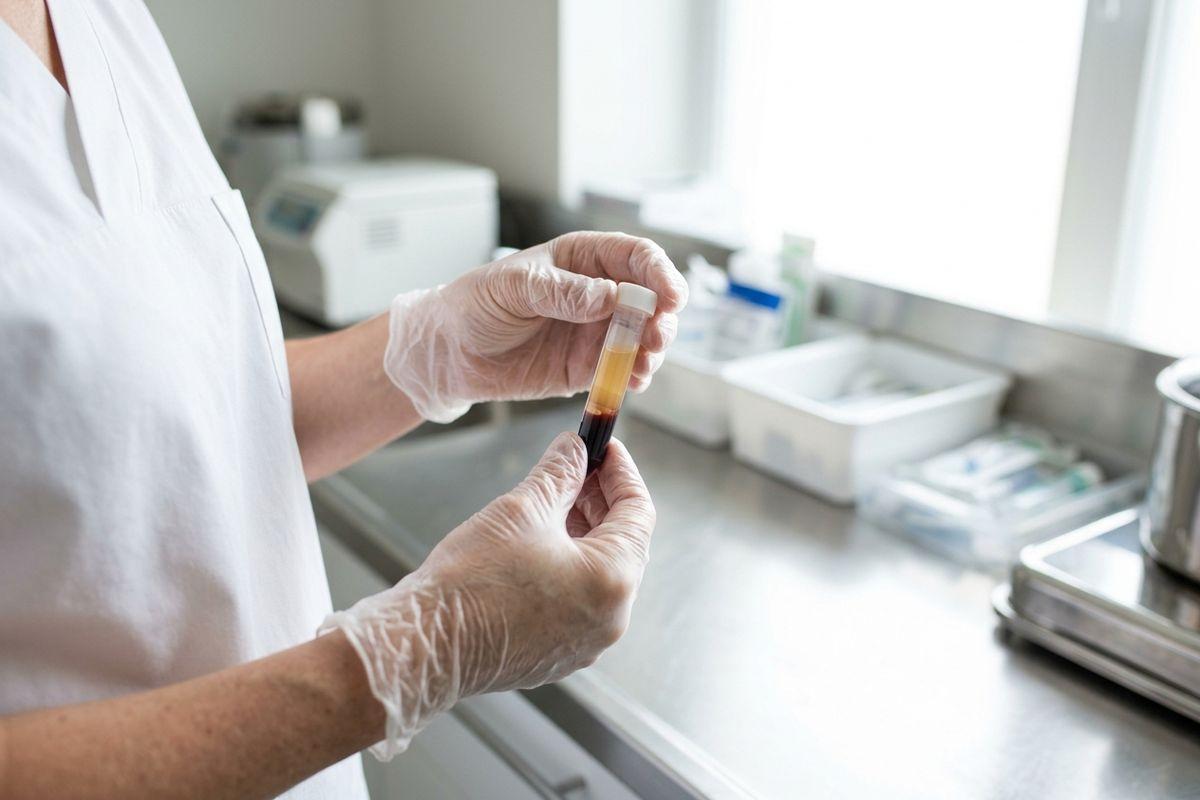
PRP drops begin with a small blood sample, much like routine bloodwork. That sample goes into a centrifuge, which spins it to separate the platelet-rich plasma from the rest of your blood. The plasma is then prepared into eye drops made just for you.
Since the drops come from your own body, they don’t contain the preservatives found in many store-bought drops. Their makeup is also closer to your natural tears than artificial tears are, which matters when your eye’s surface needs more than extra moisture. Optometrists often consider PRP for moderate to severe dry eye when other treatments haven’t brought enough relief.
How PRP Eye Drops Support Relief
Platelets hold growth factors and vitamins that help damaged tissue recover. When you put PRP drops in, those growth factors reach your cornea and conjunctiva, the thin tissue covering the white of your eye.
That support can help settle inflammation and give the surface of your eye a chance to heal. For many people, that can mean clearer, more comfortable vision through the afternoon.
Who May Be a Candidate
A dry eye exam pairs a review of your symptoms with targeted testing. Tear break-up time measures how quickly your tear film destabilizes after a blink. A tear osmolarity test looks at the makeup of your tears. Together, these results help shape a treatment plan.
An optometrist reviews your history and symptoms before recommending PRP. People who may be considered include:
- Anyone living with Sjögren’s syndrome, an autoimmune condition that affects the glands that make tears
- People with ongoing corneal pain or nerve pain
- Anyone who’s had limited relief from artificial tears or prescription drops
What to Expect During the Process
After your blood draw, the plasma is divided into small bottles. You’ll keep most of them in the freezer and store the bottle you’re using in the fridge. Follow-up visits let the team track your progress and adjust your plan as your comfort changes.
Other Dry Eye Treatments Your Optometrist May Recommend
PRP is one of several approaches to dry eye. Depending on what your exam shows, your optometrist may talk with you about:
- Autologous serum eye drops, which are also made from your own blood
- Prescription eye drops
- Punctal plugs, tiny inserts that can help keep tears on your eye longer
- In-office treatment for clogged oil glands along your eyelids
Daily Habits That Keep Eyes Comfortable
Small changes support whatever treatment you’re using. Take blink breaks during screen work, run a humidifier at home during heating season, and position your screen slightly below eye level so your lids cover more of the surface.
Outdoors, wraparound sunglasses can shield your eyes from wind and UV. Avoiding smoke may also cut down on flare-ups.
Finding Relief When Regular Drops Aren’t Enough
If your symptoms keep coming back or get worse, an eye exam can help you identify what’s behind the discomfort. Dry eye often has more than one cause, and knowing which ones apply to you shapes which treatments are worth trying.
At Higgins Brothers’ Vision Care, we take time to understand how dry eye affects your days before recommending a plan. Book an appointment and talk with our optometrists about your options, including whether PRP eye drops could fit your needs.